
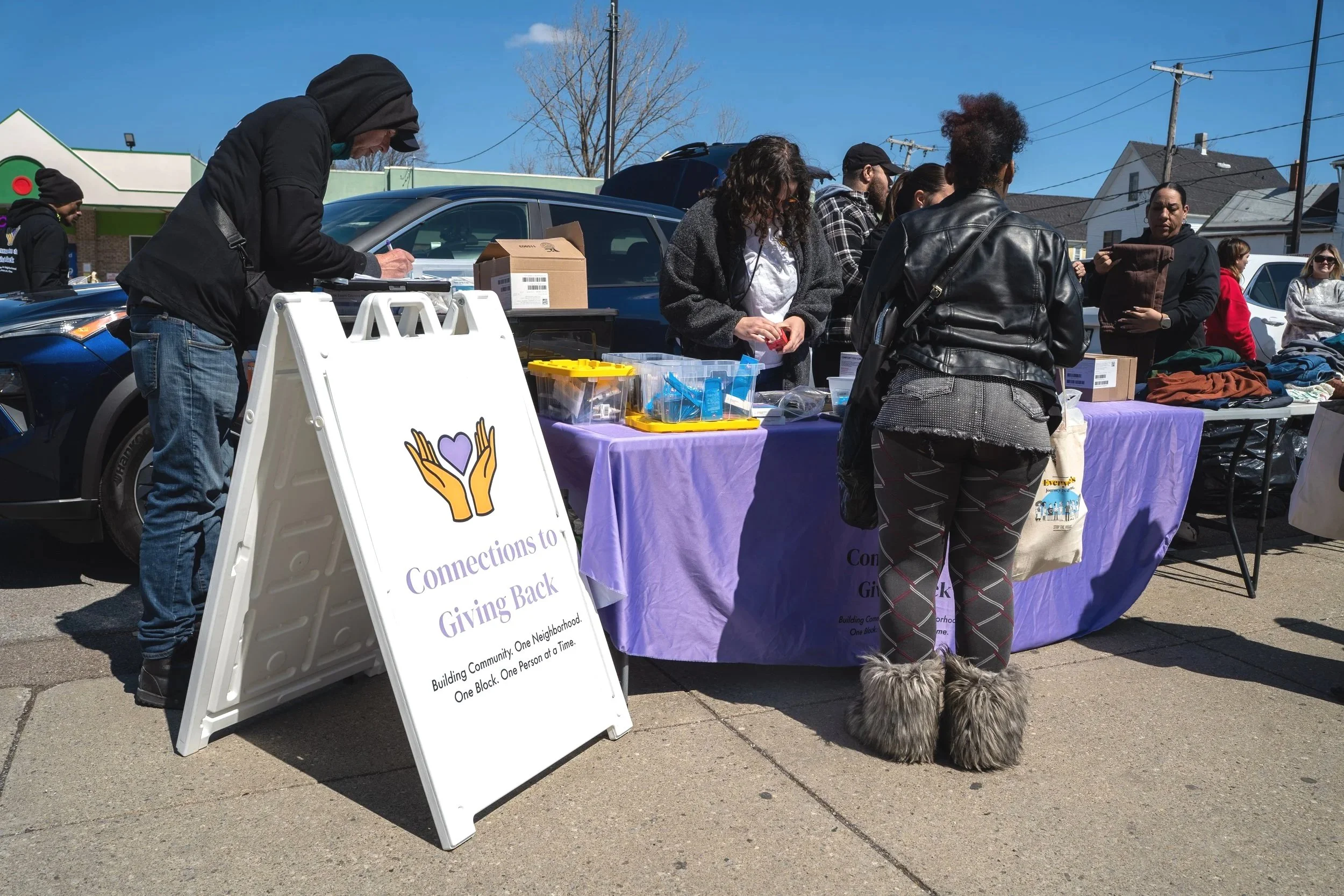
Connections to Giving Back is the only peer-led Syringe Service Program in Western New York, and it did not happen by accident.
Connections to Giving Back was founded by Ivette Chavez Gonzalez, a Latina woman, a person living with HIV, and someone whose own lived experience of substance use, housing instability, and navigating broken systems is woven into the very foundation of this organization. Ivette is also the first Latina woman to found a needle exchange program in Buffalo, a milestone that represents not just a personal achievement, but a shift in who gets to lead in this space.
At Connections to Giving Back, people with lived experience are not invited to sit at the table as a gesture. They hold leadership roles, shape policy decisions, design programs, and drive every aspect of how this organization operates. This is harm reduction, practiced from the root.
The Evidence Behind Our Model
Peer-led, community-based harm reduction is not just a philosophy. It is backed by decades of research.
According to the CDC, syringe service programs are associated with an estimated 50% reduction in HIV and hepatitis C infections. Nearly 30 years of research confirm they are safe, effective, and cost-saving, without increasing illegal drug use or crime.
50% reduction in HIV and hepatitis C incidence:
Despite this evidence, a 2025 study found that between 69.5% and 81.8% of high-need counties across the United States still lack a syringe service program. Peer-led, community-based providers like CGB are not supplemental. They are essential.
A critical gap in access:
Sources: CDC, Strengthening Syringe Services Programs, October 2024
We don't ask people to earn care. We believe care is a right, and we show up to deliver it.

Our Approach
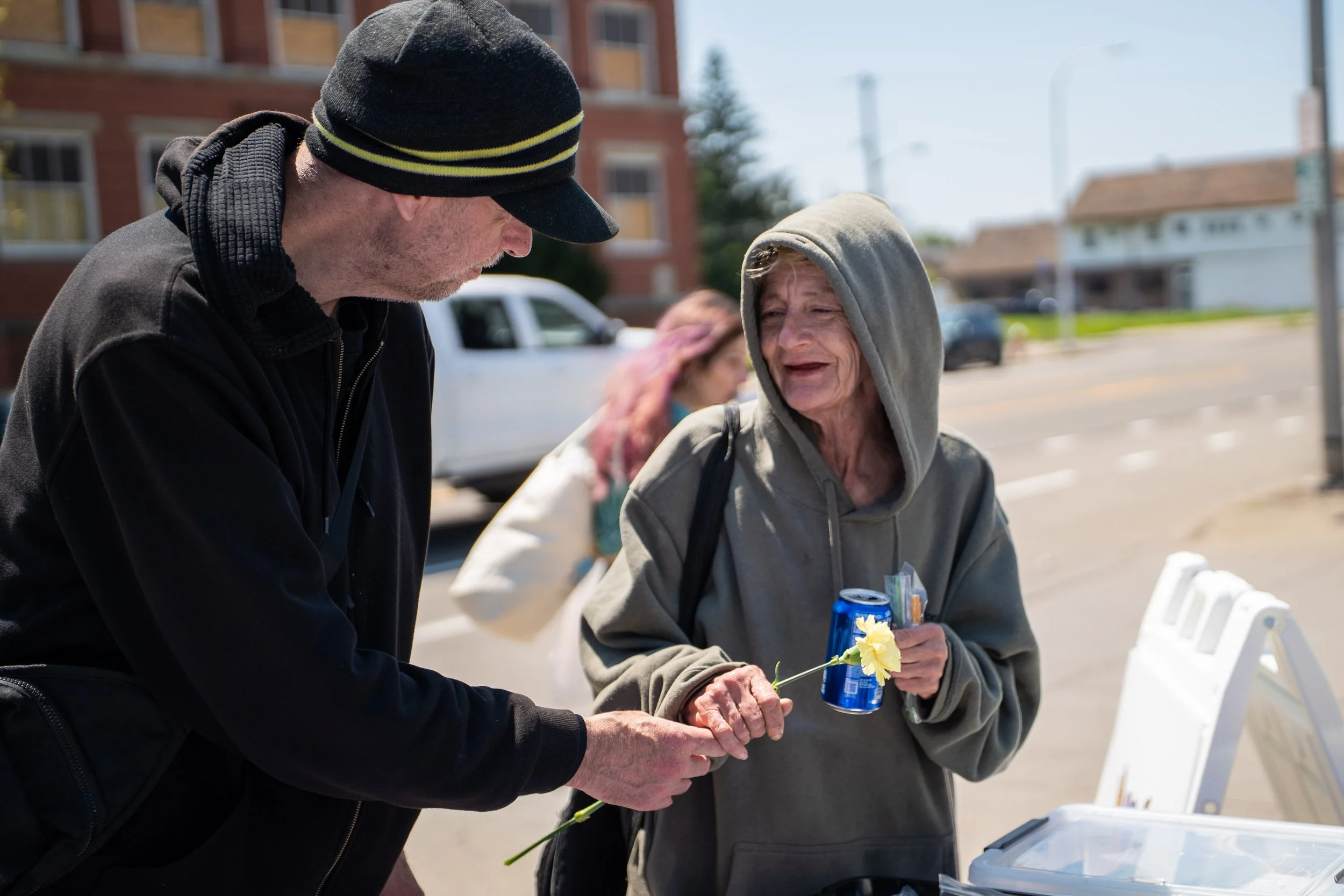
Harm reduction is not a set of rules. It is a philosophy that recognizes the dignity of every person, accepts that people use substances as part of human reality, and focuses on reducing harm rather than demanding abstinence as a condition for support.
At Connections to Giving Back, we layer harm reduction with radical love: a commitment to showing up for people consistently, meeting them without judgment, and building genuine trust over time. That trust is how real change happens. Not through coercion, but through connection.
-
We actively serve Black, Indigenous, and People of Color, and those disproportionately impacted by the criminalization of poverty and substance use.
-
We respect every person's right to make decisions about their own life, body, and path forward.
-
People with lived and living experience of drug use are not tokenized. They lead, decide, and define this work.
-
We show up with warmth, consistency, and a refusal to abandon anyone.
-
We are transparent about who we are, how we operate, and how community trust is held.
-
We build systems of mutual support that extend beyond our direct services.
Our Values
Our Commitment to the Community
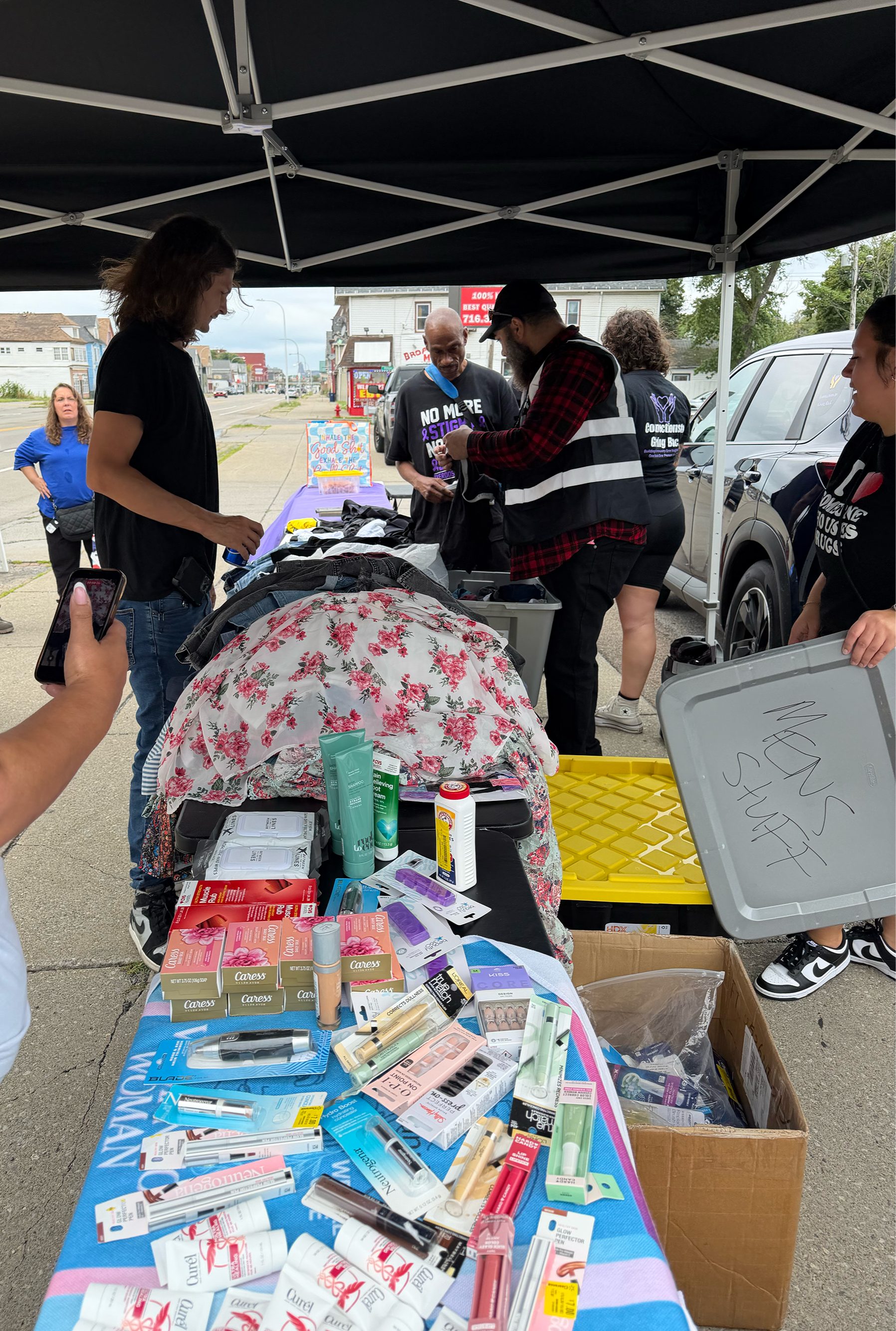
Centering harm reduction principles in every interaction, meeting individuals and organizations where they are, with acceptance, humility, and inclusion.
Serving programs led by Black, Indigenous, and other People of Color, as well as communities with limited access to care.
Ensuring people who use drugs (PWUD) hold real, supported roles in leadership, service delivery, and program evolution. Not one-off committee appearances, but meaningful, sustained power.
Respecting the human rights, cultural values, autonomy, and dignity of every person we serve.
Connections to Giving Back is committed to:
Our Team
Staff
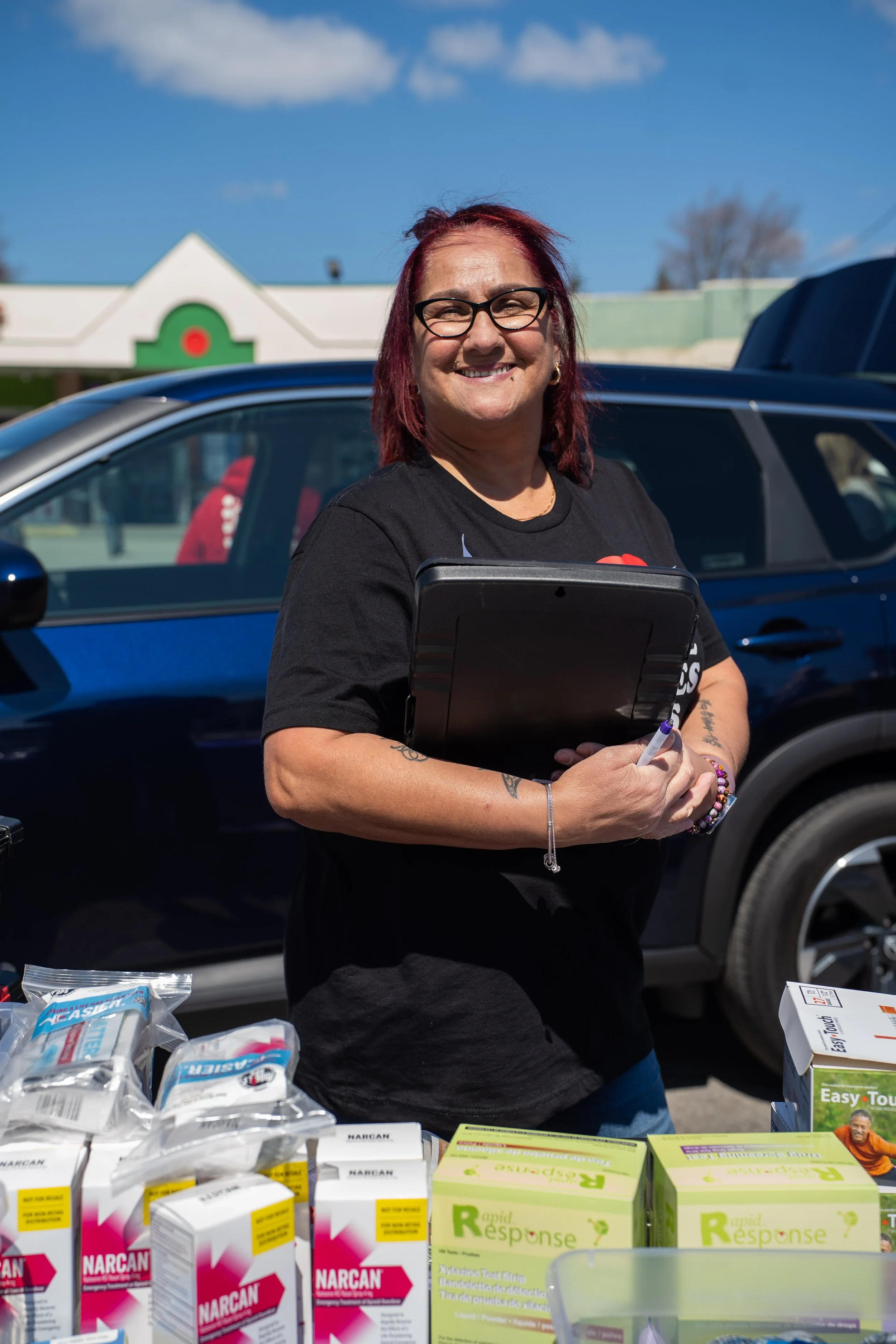
Ivette Chavez Gonzalez
Executive Director and Founder
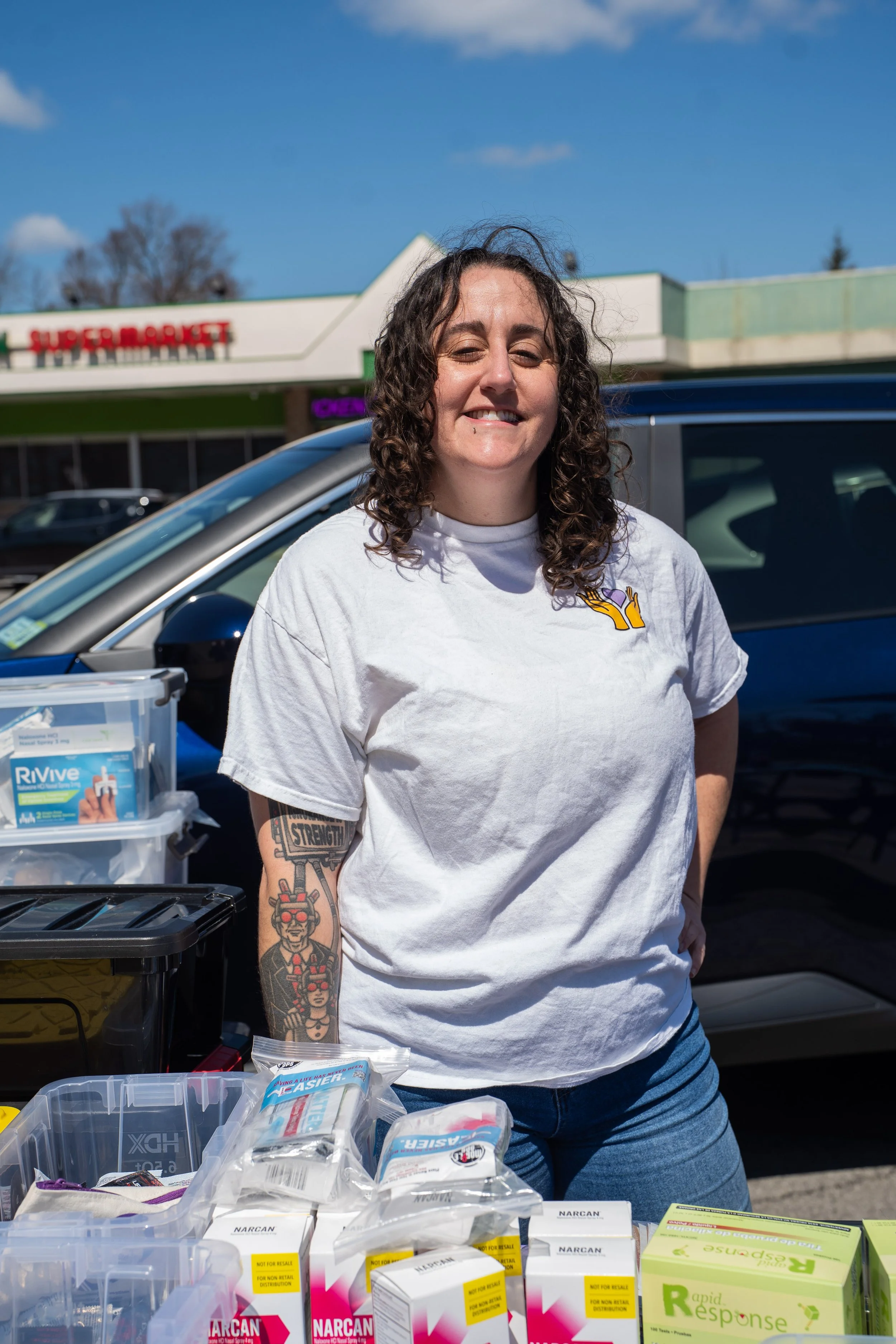
Jordon
Frank
Administrative Support Specialist
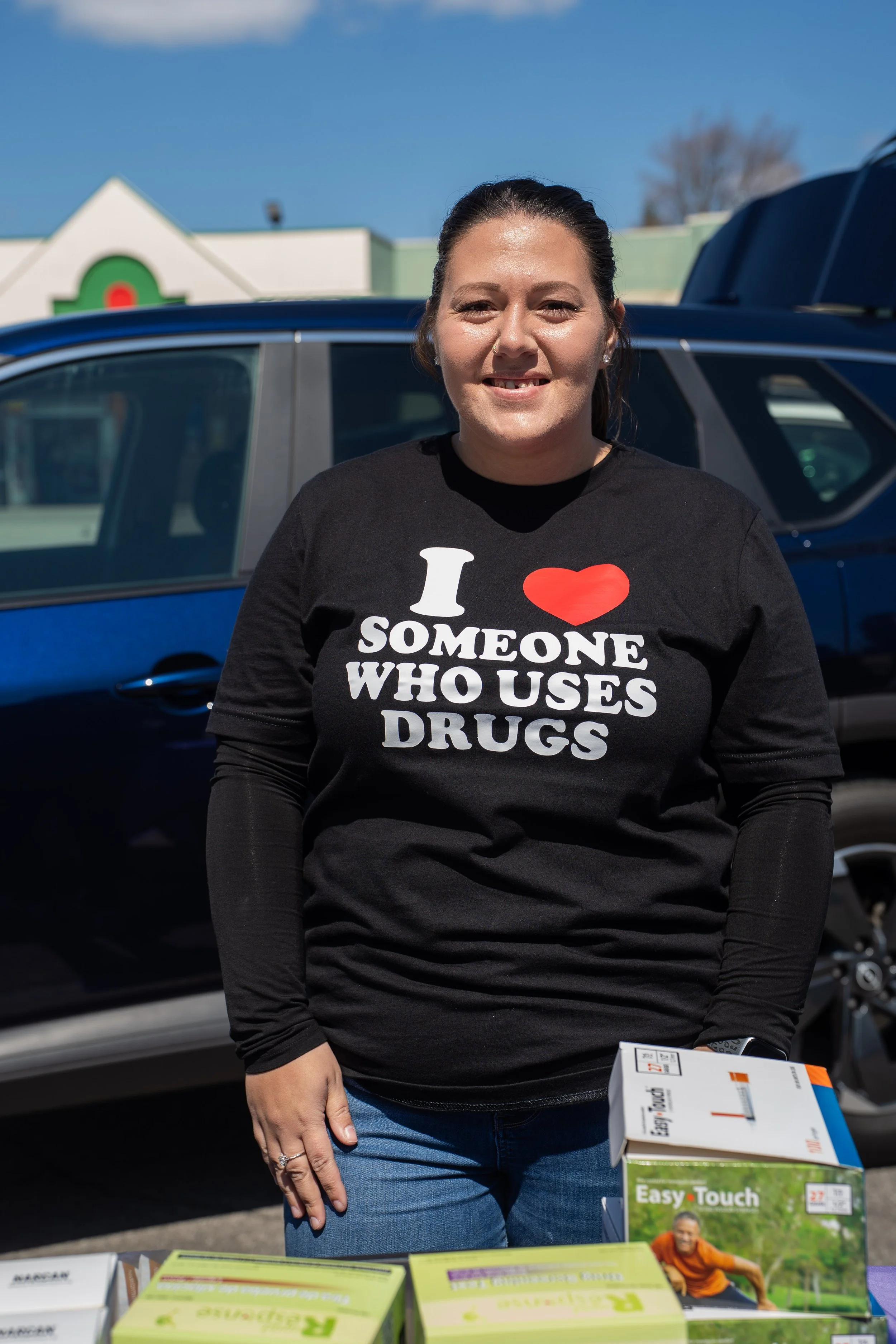
LaTanya Walton-Brown
Office and Contracts Manager
Savannah
Gross
Data Specialist
Board of Directors
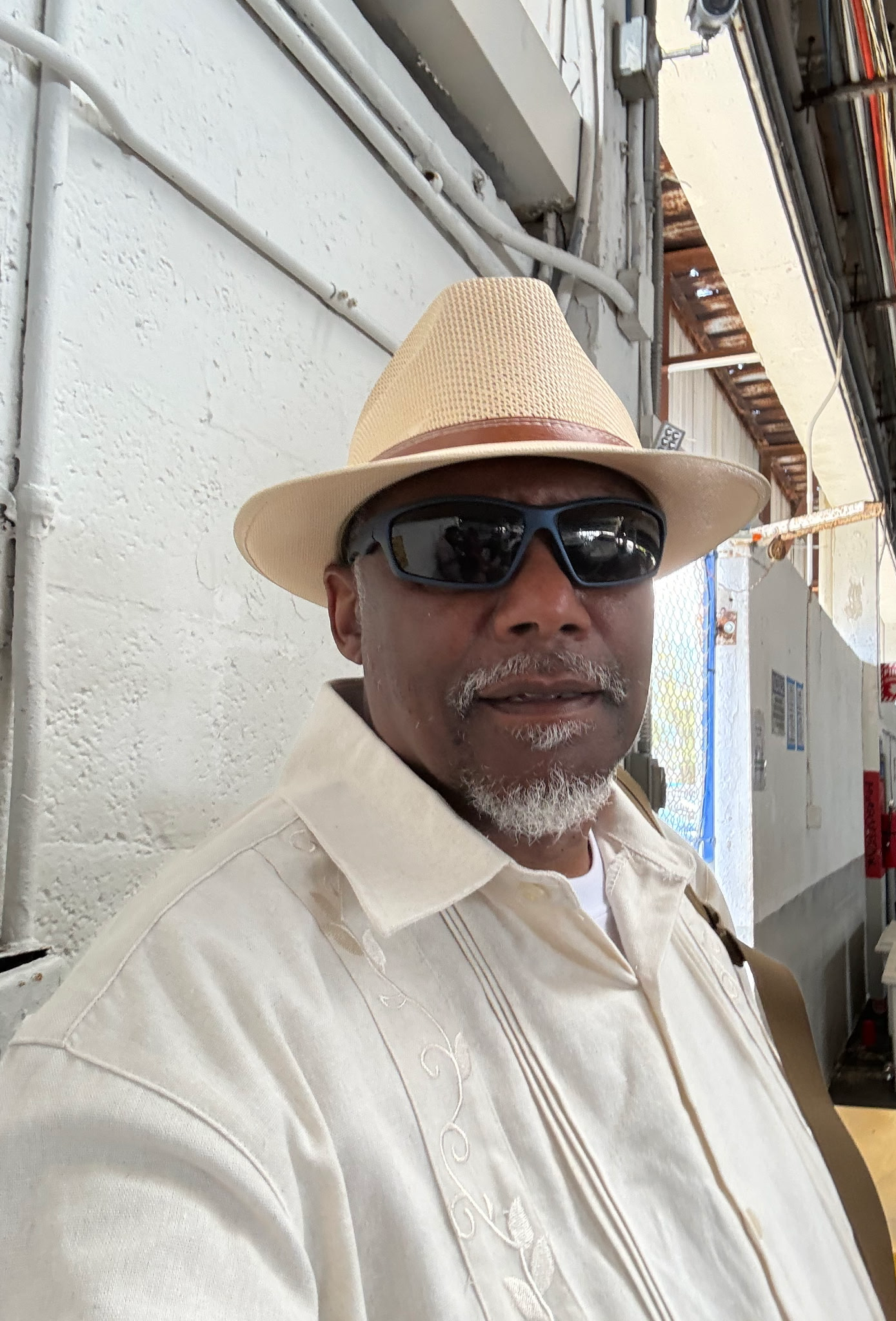
Manuel Welch
Vice President
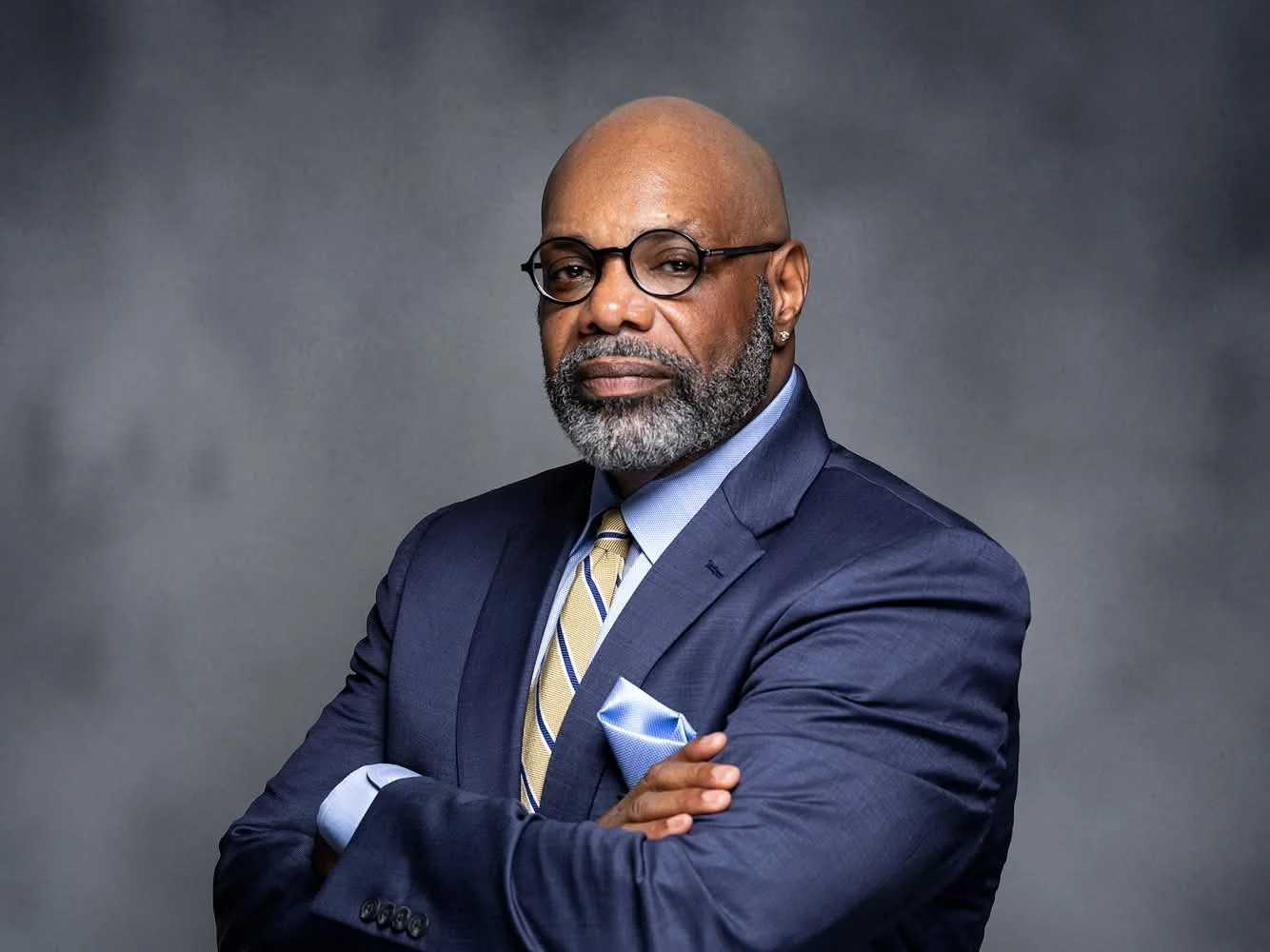
Darold Fountain
Treasurer
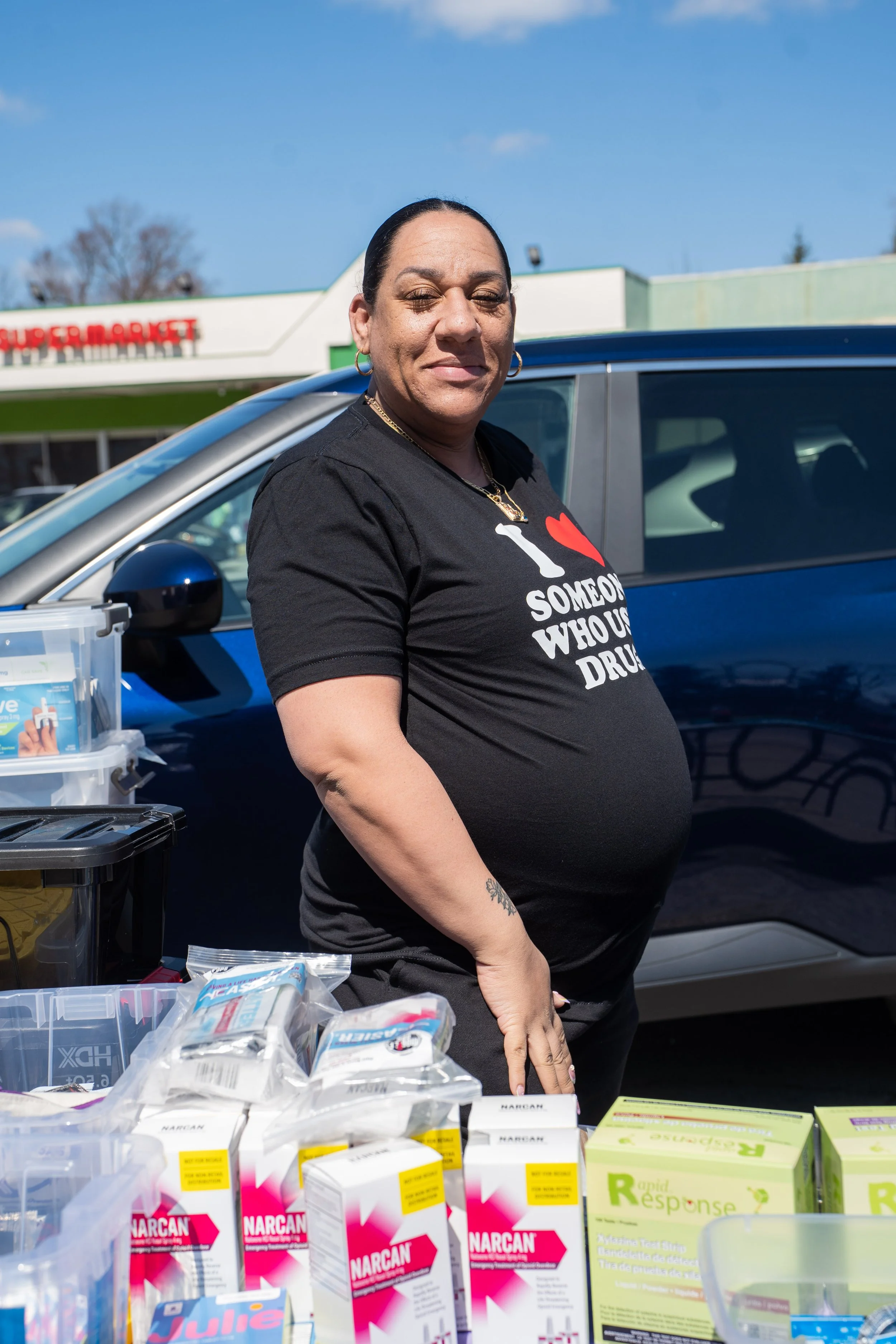
Crystal Pereira
Member at Large
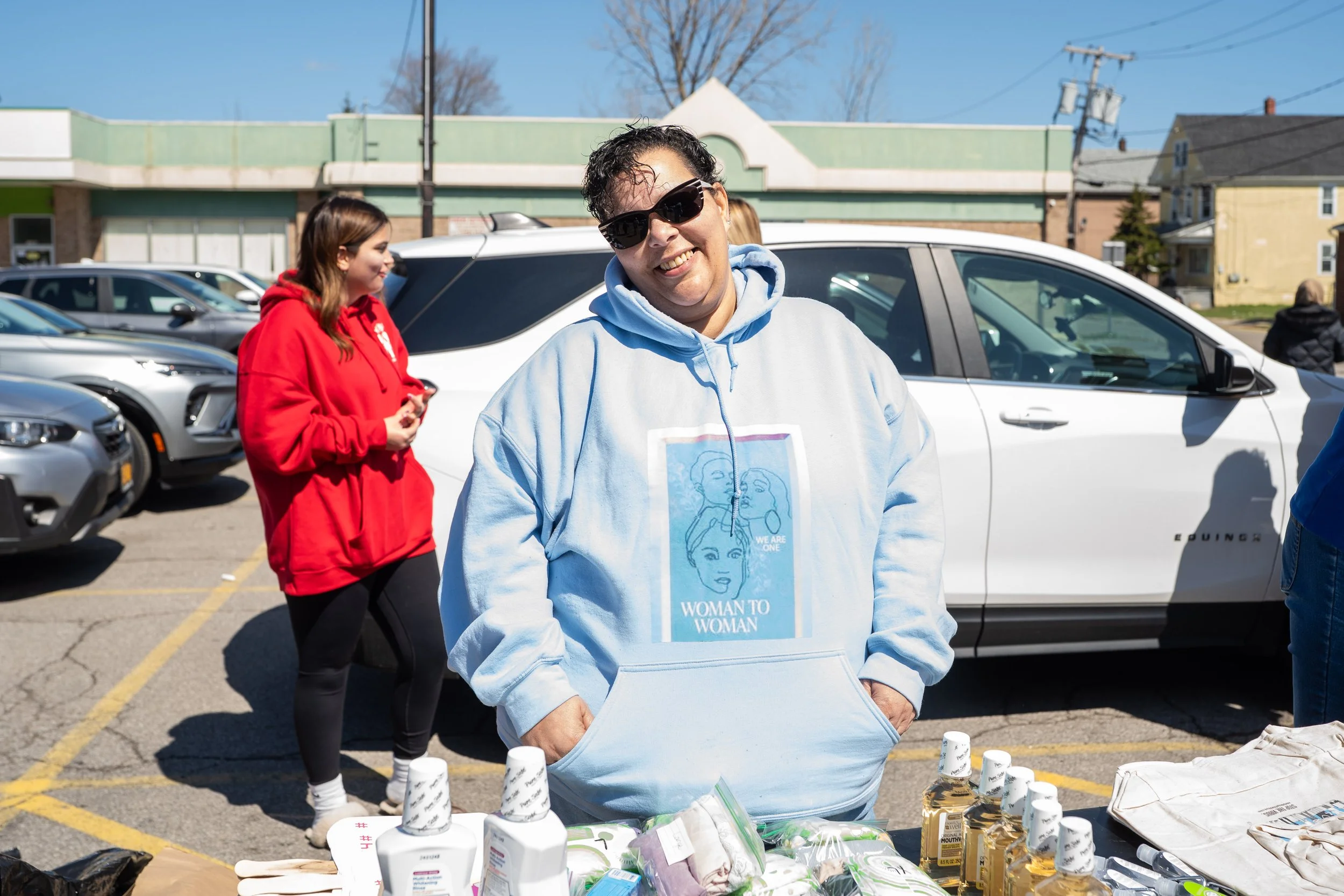
Dawn Trotter
Member at Large
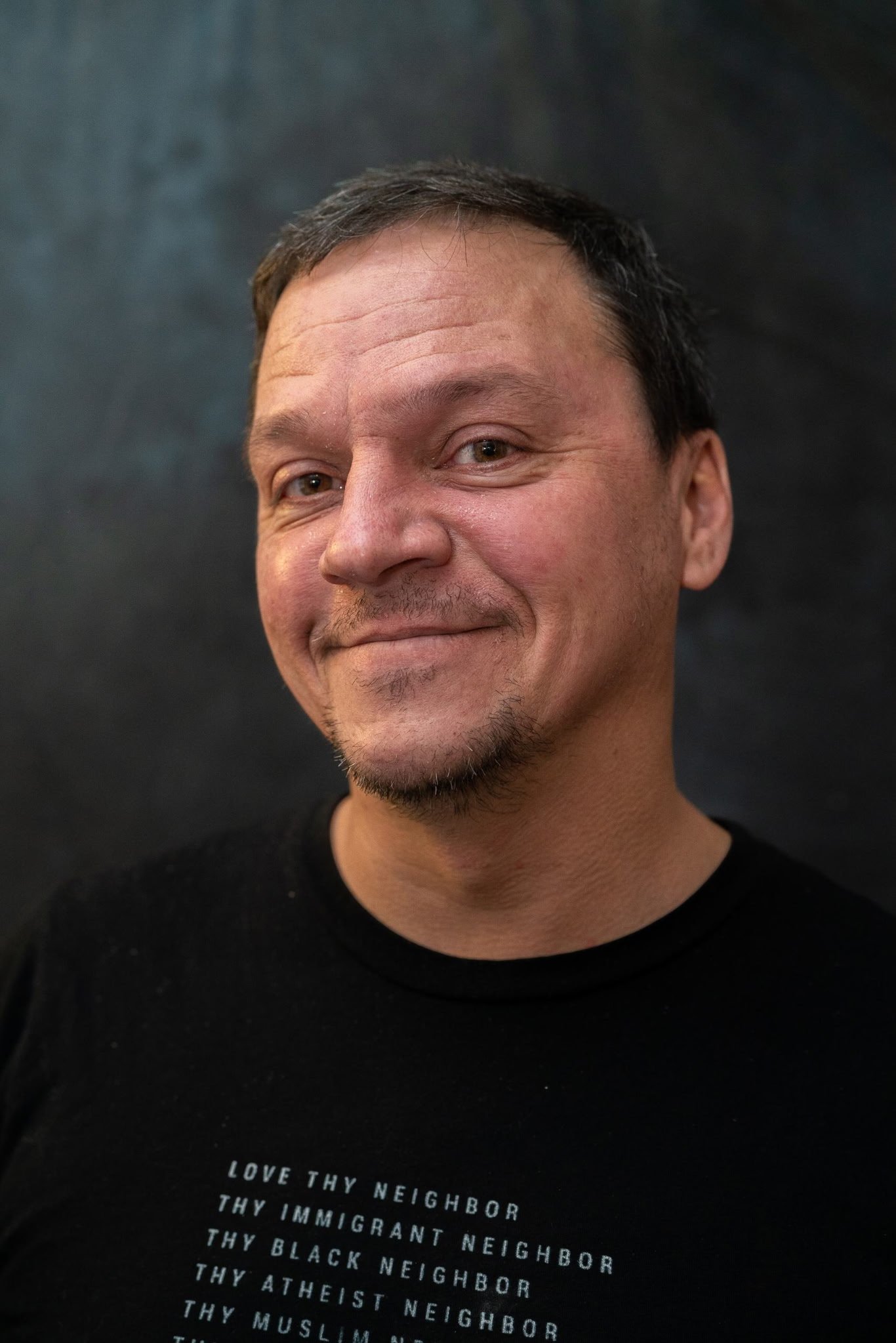
Gary Harding
Member at Large
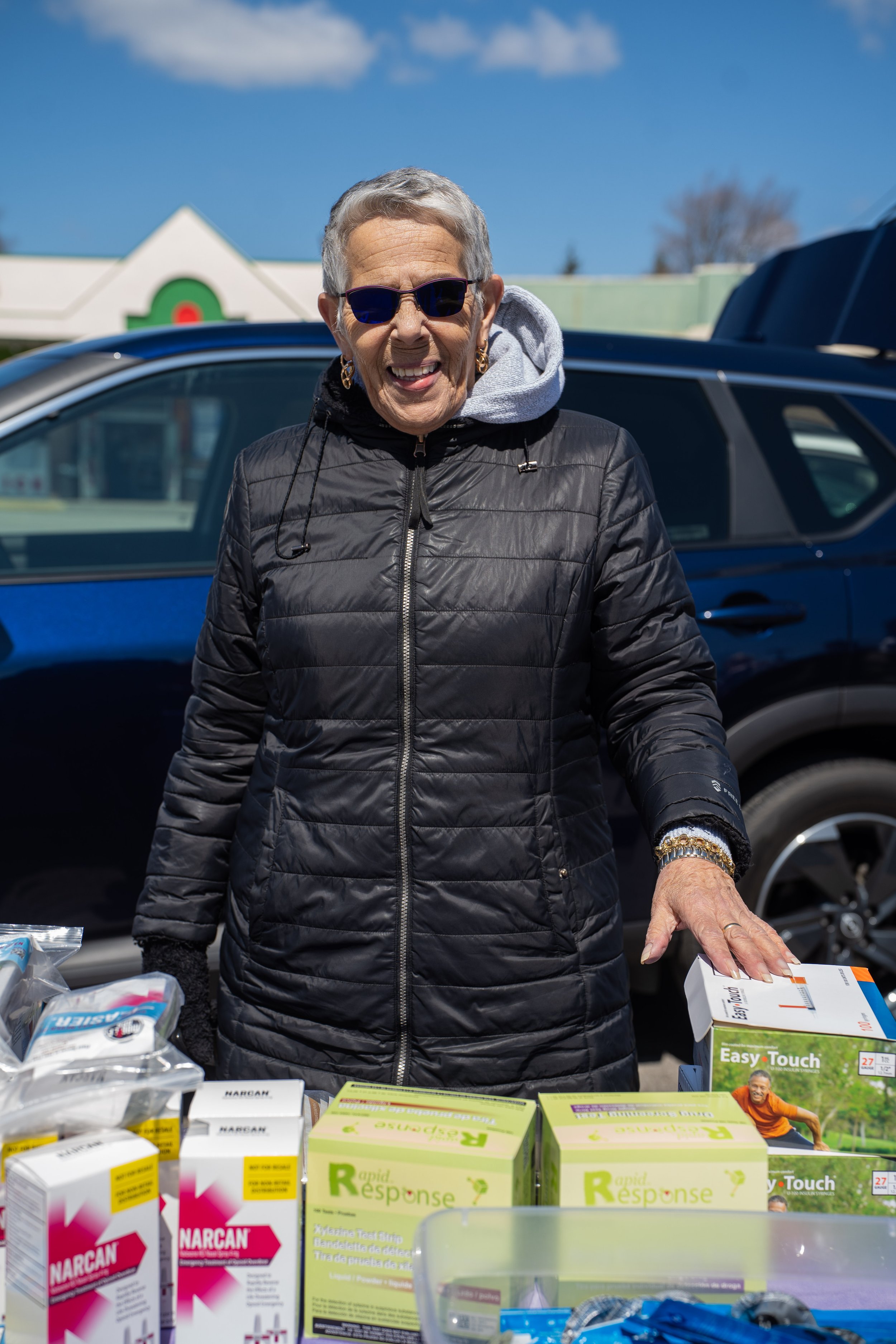
Judy Torres
Member at Large
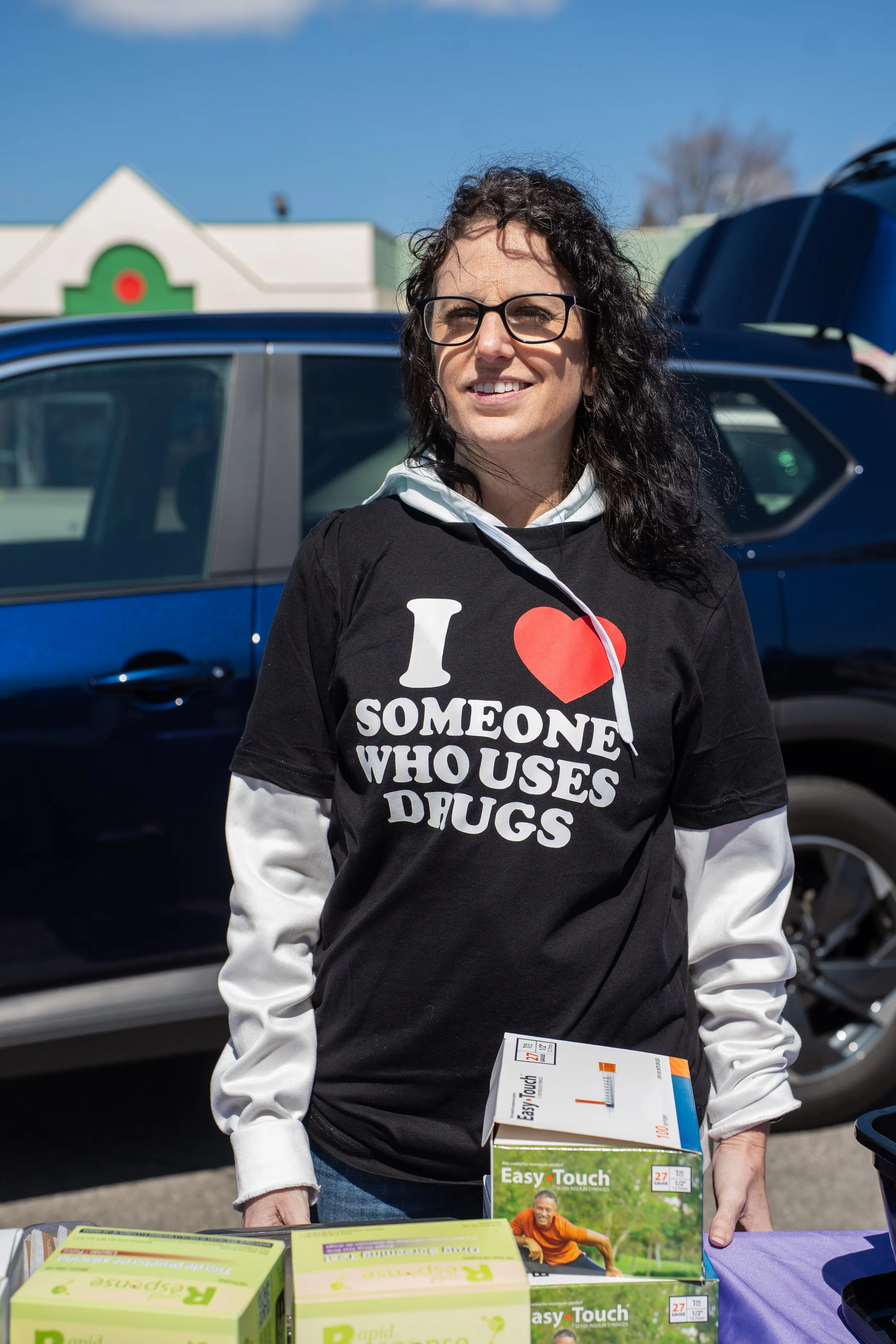
Laurie Abbatessa
Member at Large
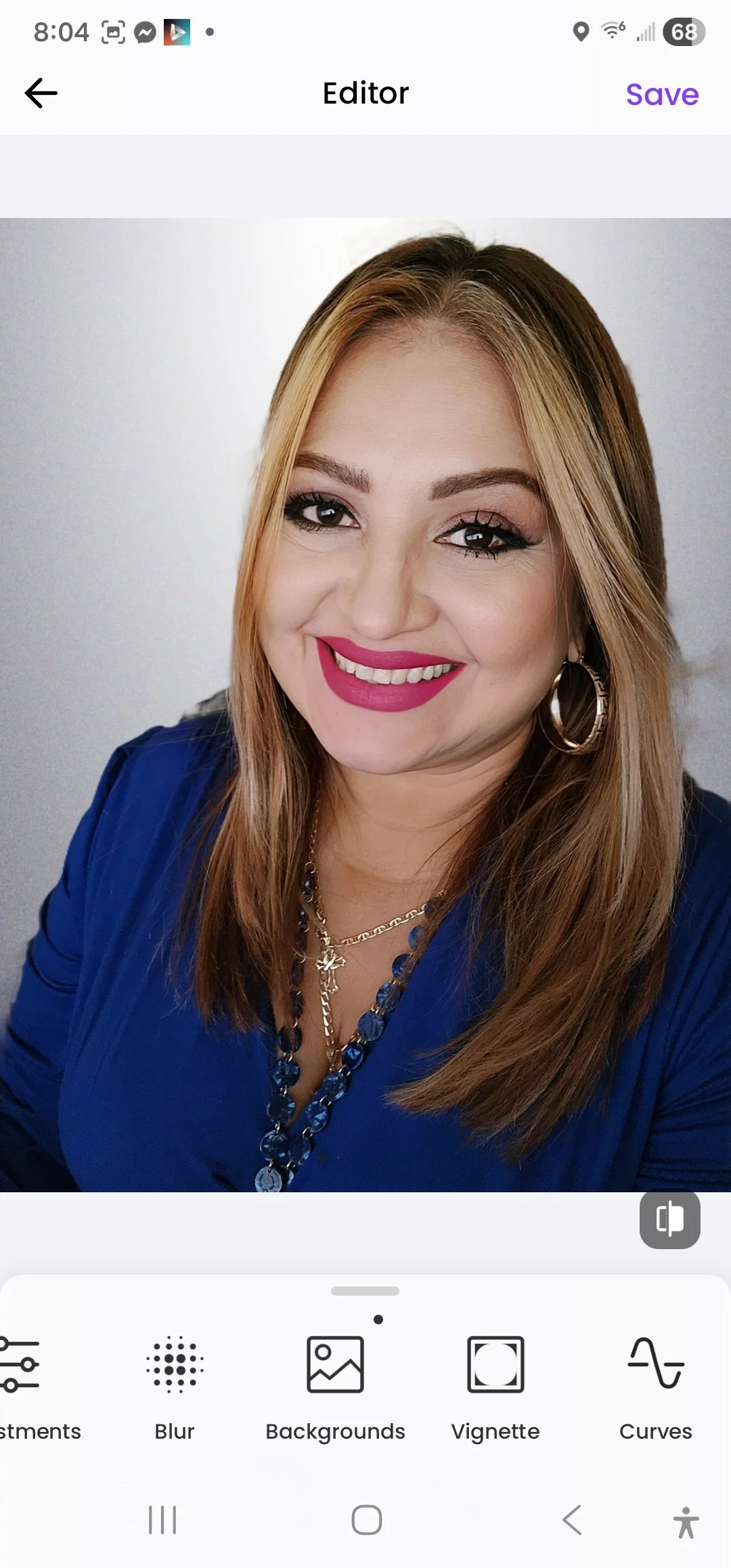
Lisa Ortega
Member at Large
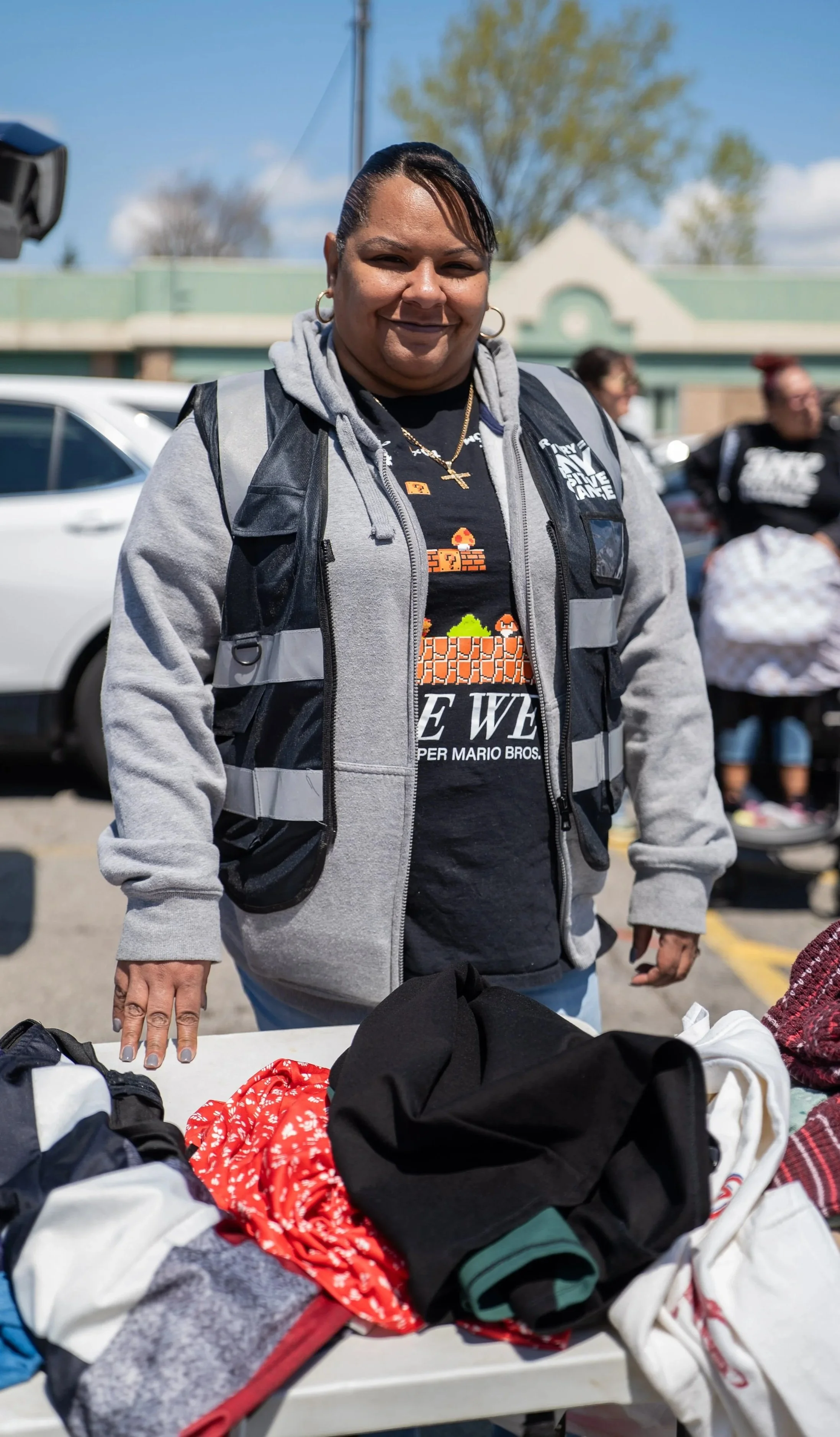
Rosemary Roche
Member at Large
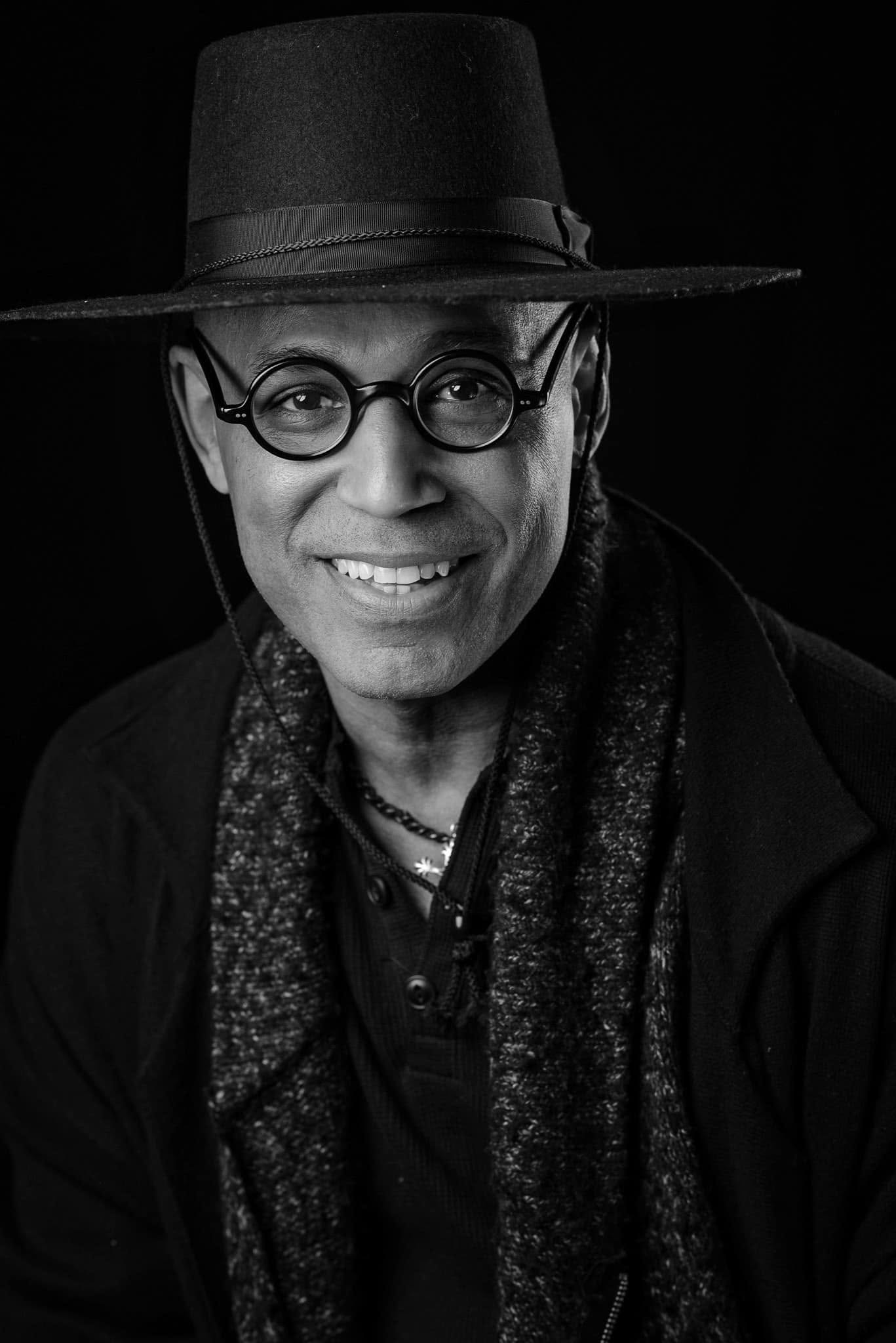
Wilfredo Morel
Member at Large
Our training is grounded in the foundational principles of harm reduction,
as defined by the National Harm Reduction Coalition:
The Eight Principles of Harm Reduction
-
Accepts, for better or worse, that licit and illicit drug use is part of our world, and works to minimize harm rather than ignore or condemn it.
-
Understands drug use as complex and multi-faceted, encompassing a continuum from severe use to total abstinence, and recognizes that some ways of using drugs are safer than others.
-
Establishes quality of life and well-being, not necessarily the cessation of drug use, as the measure of a successful intervention.
-
Calls for non-judgmental, non-coercive services and resources for people who use drugs and the communities in which they live.
-
Ensures that people who use drugs have a real voice in programs and policies designed to serve them.
-
Affirms that people who use drugs are the primary agents of reducing the harms of their own drug use, and seeks to empower peer knowledge-sharing.
-
Recognizes that poverty, racism, trauma, social isolation, and other inequalities affect vulnerability to drug-related harm.
-
Does not minimize or ignore the real and tragic harms associated with drug use.
Principles sourced from the National Harm Reduction Coalition.